Chinese New Year Gift-Giving Etiquette
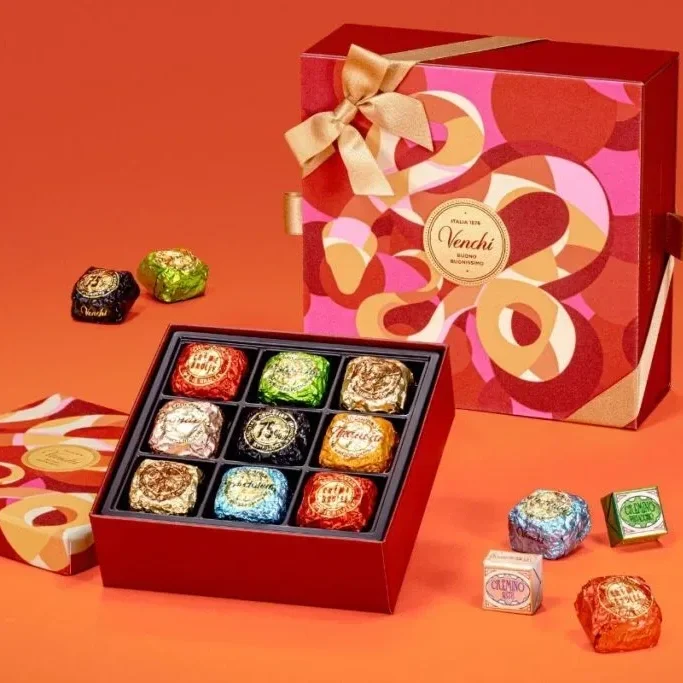
Chinese New Year, also known as Lunar New Year or Spring Festival, is China's most important traditional celebration. It’s a time for family reunions, honoring ancestors, and welcoming a new year filled with hope and prosperity. An integral part of this festive season is gift-giving — a wonderful way to show respect, express good wishes, and bring luck to loved ones and friends. But did you know that not all gifts are appropriate? In this guide, we’ll explore the best types of gifts to give during Chinese New Year, along with important etiquette tips to ensure your gestures are received with warmth and good fortune.
Why Gift-Giving Matters During Chinese New Year
Gifts during Chinese New Year symbolize prosperity, health, happiness, and good luck. Thoughtful presents strengthen relationships and convey sincere wishes for a prosperous year ahead. However, cultural nuances and traditions play a significant role in ensuring your gifts are appropriate and appreciated.

How to Choose Appropriate Gifts
Good luck symbols: Gifts that symbolize prosperity, happiness, and good fortune, such as fruit baskets, tea, or decorative items.
Red and gold: Wrap gifts in red or gold paper, as these colors symbolize luck and wealth.
1. Fruits – Symbols of Prosperity and Good Fortune
Fruits are a popular and meaningful gift choice. Oranges and tangerines, with their golden color, symbolize wealth and abundance. Apples are associated with peace and safety, while pomelo signifies prosperity. Present these in decorative baskets or colorful packaging to enhance their auspicious meaning.
2. High-Quality Tea – A Gift of Harmony
Chinese tea, such as Longjing, Pu-erh, or Oolong, represents harmony and refinement. A beautifully packaged tea set makes for an elegant and thoughtful gift, especially appreciated by tea lovers.
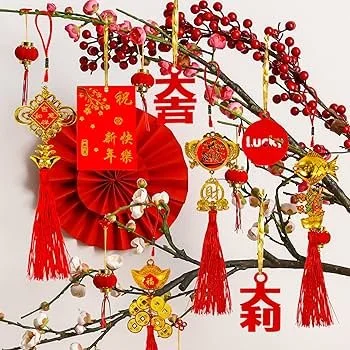
3. Red and Gold Decorations
Decorative items like paper cuttings, couplets with auspicious phrases, or ornate ornaments in red and gold are believed to invite good luck. These can be used to adorn homes and bring festive cheer.
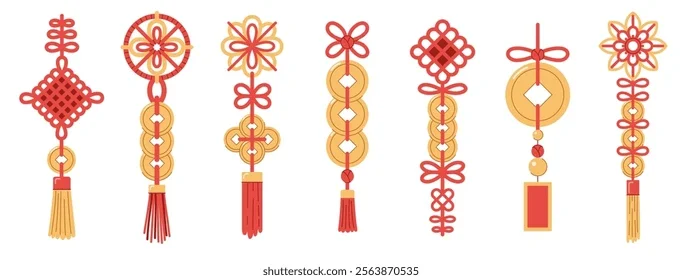
4. Traditional Chinese Symbols
Items like Chinese knots, lucky charms, or calligraphy scrolls featuring blessings for wealth and happiness make meaningful gifts that carry cultural significance.
5. Alcohol – For Celebratory Toasts
Premium Chinese liquors, such as Maotai or Shaoxing wine, are suitable for family or close friends. Present these with respect, and be mindful of the recipient’s preferences.
6. Confectionery and Special Foods
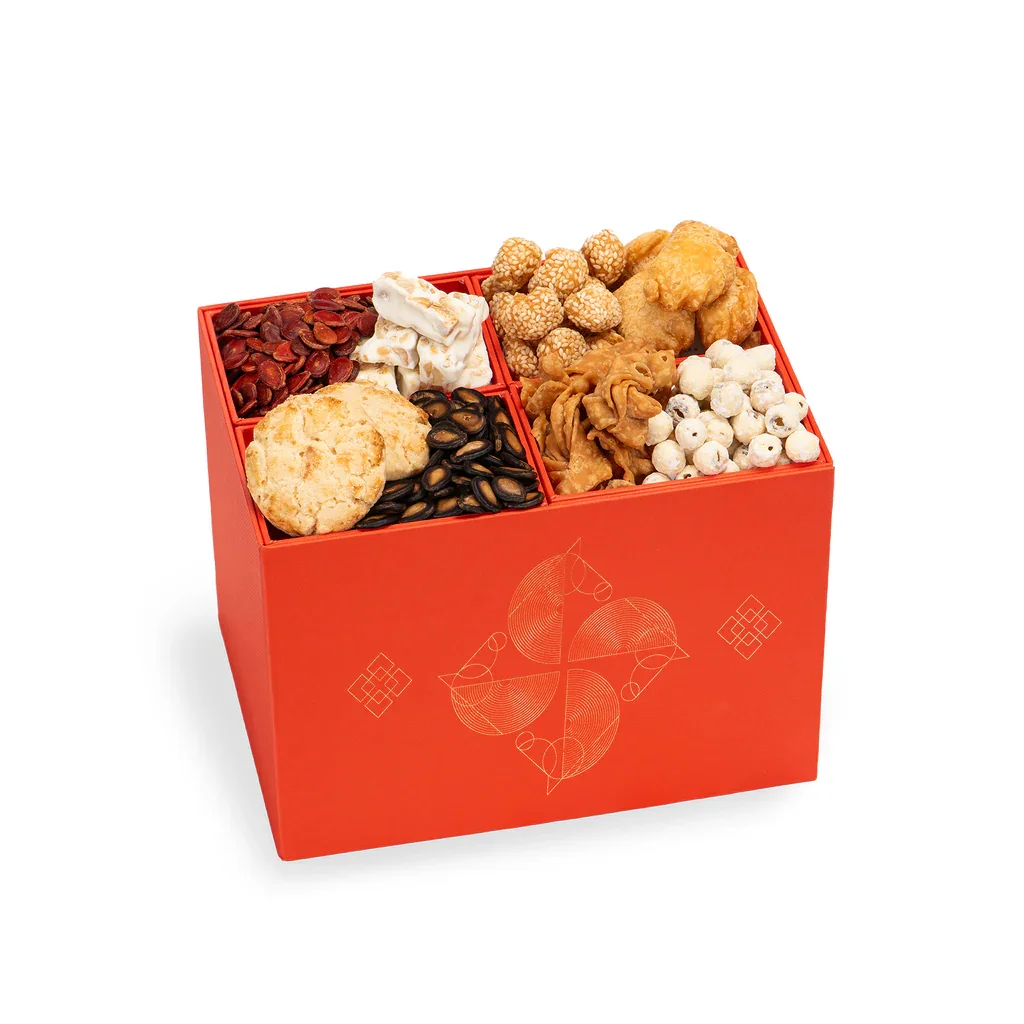
Gift boxes of traditional candies, sesame balls, or rice cakes symbolize sweet beginnings. Dried seafood or specialty snacks are also appreciated by many families.

7. Wellness and Personal Care Sets
Health supplements, herbal teas, or skincare products packaged beautifully reflect wishes for good health.
8. Personalized Gifts
Custom calligraphy, engraved items, or family name plaques add a personal touch that expresses sincere wishes.
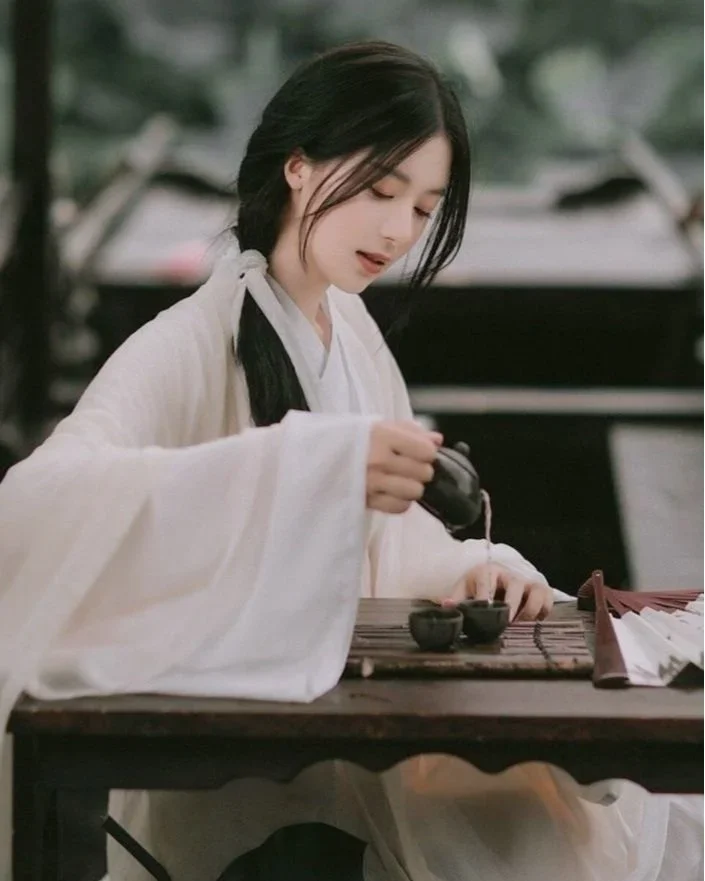
Presentation and Wrapping
Use bright, festive colors like red, gold, or yellow for wrapping paper and ribbons.
Wrap gifts neatly and respectfully, avoiding overly extravagant displays that might seem ostentatious.
Present the gift with both hands as a sign of respect and sincerity.
How to Present Gifts
Offer gifts with both hands as a sign of respect.
Present gifts politely and modestly, avoiding overly extravagant displays that might embarrass the recipient.
When receiving a gift, accept it with gratitude and both hands, even if you feel it is inappropriate.
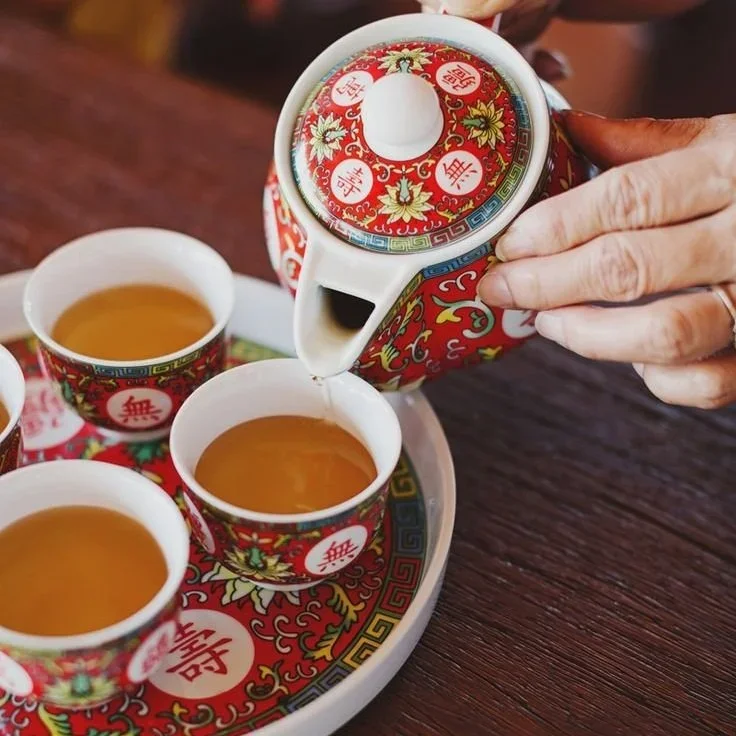
Giving and Receiving Gifts
When giving a gift, say auspicious phrases like “Gong Xi Fa Cai” (Wishing you wealth and prosperity) or “Sheng Yi Xing Long” (May your business flourish).
When receiving a gift, accept it graciously with both hands, and express gratitude.
It is common to initially refuse a gift once or twice as a sign of humility, before accepting graciously.
Cultural Taboos and Tips
Avoid: Giving clocks or watches, as they symbolize running out of time.
Avoid: Sharp objects, which imply severing relationships.
Avoid: Empty or black-colored gift items, which are linked to mourning.
Respect: Elders and traditional customs; sometimes, elders may refuse a gift initially, expecting politeness.
Special Tips for Gifting in Business
Use elegant and modest packaging.
Offer gifts with both hands.
Be prepared with small tokens or souvenirs representing good luck.
Avoid overly personal or expensive gifts unless you have close relationships.
Gift-giving during Chinese New Year is more than a gesture; it’s a meaningful tradition that embodies hopes for a prosperous and happy year. By choosing appropriate gifts and following cultural etiquette, you can strengthen your relationships and send out positive energy for the year ahead.
So, whether you’re visiting family, friends, or colleagues, remember: thoughtful, culturally sensitive gifts paired with genuine blessings are the best way to celebrate this joyful season.